
Thao Kelly-Maybee
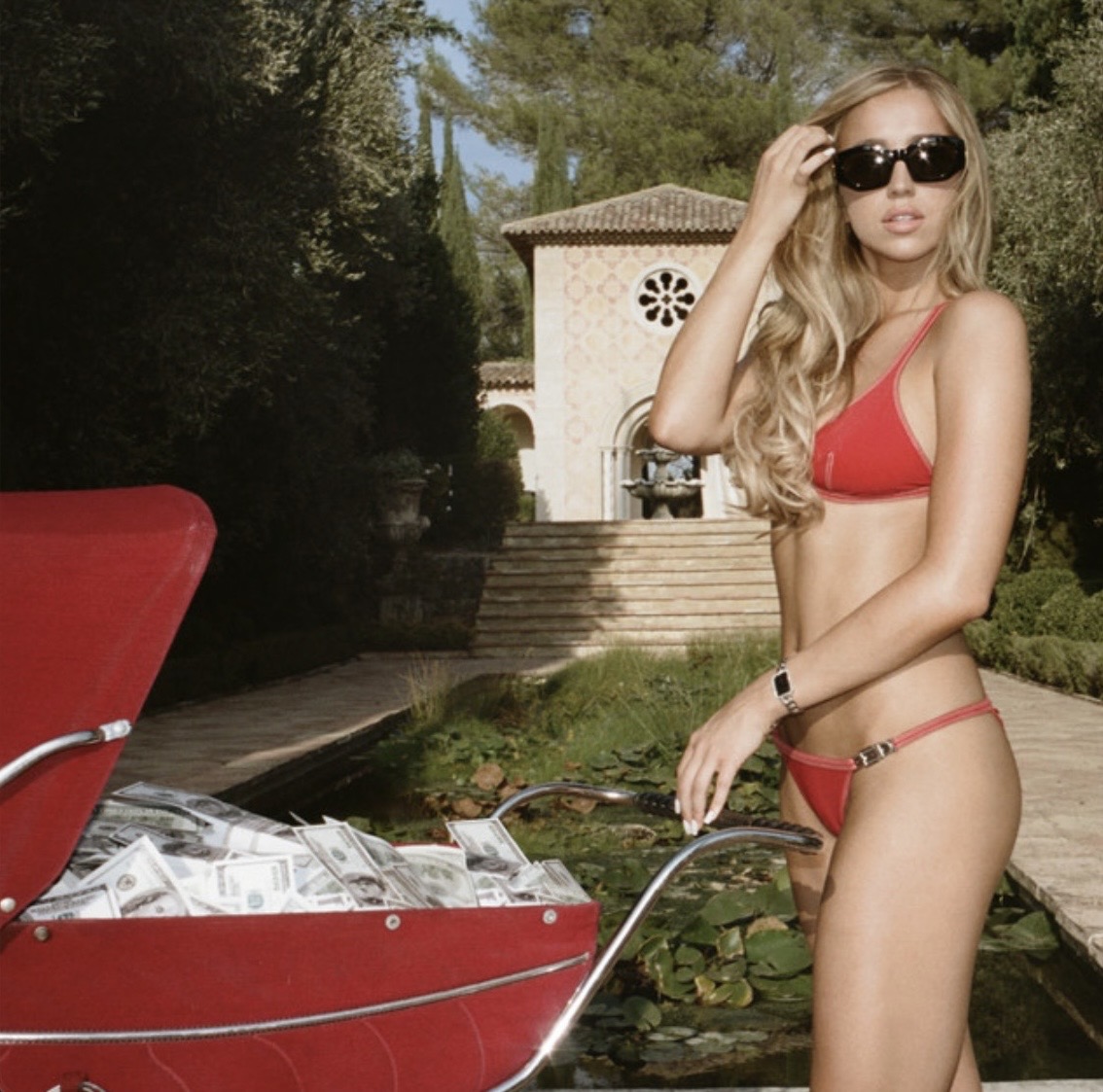
There is something fascinating about the idea of having everything you could ever want, only to realize that knowing what you want is a different story entirely. In “Housewife,” Tate McRae plays with the fantasy of a life built around luxury, romance, and the freedom to do whatever you please. It is a song that feels polished and playful on the surface, but beneath its confident exterior lies a more complicated question: what does it actually mean to have it all?
McRae has always occupied an interesting space in pop music, balancing the vulnerability of a young woman figuring herself out with the confidence of someone who knows exactly how she wants to be seen. There is a tension between these two sides of her artistry, and “Housewife” finds a particularly interesting way to explore it. The song embraces the appeal of a glamorous lifestyle while playing with the expectations attached to it, taking an identity traditionally associated with domesticity and turning it into something that feels much more self-directed.


The title alone invites a certain image. A housewife is often imagined through the perspective of someone else: a partner, a family, a home that needs maintaining. It is an identity historically shaped by what a woman does for others rather than what she wants for herself. But McRae’s interpretation feels less concerned with fulfilling that role than with deciding what the role can become. There is room for contradiction here, for wanting romance without sacrificing independence and for enjoying the idea of being taken care of without losing control of your own life.
That contradiction is part of what makes the song so compelling. Pop music has long been fascinated by the fantasy of effortless living, where beautiful people inhabit beautiful spaces and every problem seems to disappear beneath expensive clothes and perfect lighting. “Housewife” fits comfortably within this world, but its appeal comes from the possibility that the fantasy is not quite as simple as it looks. Beneath the polished surface is the desire to construct a life that feels good on your own terms, even when the expectations surrounding that life seem to suggest otherwise.
Sonically, the song leans into the kind of sleek, contemporary pop atmosphere that makes its world feel immediate and inviting. From the production to McRae’s delivery, everything feels carefully presented, creating a sense of confidence that draws the listener into the fantasy. There is a satisfying contrast between the song’s glossy exterior and the messier feelings it brings to mind. Its world is one of control and indulgence, yet the questions it raises are deeply human. How much of our identity comes from what we genuinely want, and how much comes from the versions of ourselves we have learned to perform?

This question feels especially relevant to McRae’s public image. As a pop star, she exists in a world where femininity is constantly being watched, interpreted, and packaged. Confidence becomes an aesthetic, independence becomes a selling point, and even vulnerability can become part of a carefully constructed persona. “Housewife” plays with these ideas without needing to offer a definitive answer. Instead, it allows femininity to exist as something fluid: a combination of softness and ambition, romance and self-preservation, fantasy and reality.
What makes this particularly interesting is that the desire for independence does not necessarily erase the desire for love. The two are often framed as opposing forces, as though choosing yourself means refusing to let anyone else in. But real relationships are rarely that straightforward. Wanting to be loved, spoiled, understood, or cared for does not automatically mean giving up your autonomy. Likewise, being independent does not mean you never want to lean on someone else. There is something refreshing about a song that can sit within these contradictions rather than attempting to resolve them entirely.
Perhaps the most interesting part of “Housewife” is the way it invites listeners to consider the difference between a fantasy and a genuine aspiration. It is easy to imagine the perfect life when that life exists at a distance, wrapped in glamour and possibility. It is much harder to determine what happiness looks like once the fantasy becomes reality. Luxury can create comfort, romance can offer connection, and success can provide freedom, but none of these things can entirely answer the question of who you want to be.
In that sense, “Housewife” becomes more than a playful exploration of a particular lifestyle. It is a reflection on the identities women are encouraged to inhabit and the freedom that comes from deciding which parts are worth keeping. McRae does not need to reject romance to embrace independence, nor does she need to abandon femininity to challenge its expectations. Instead, she makes space for a version of womanhood that is allowed to be complicated, contradictory, and entirely its own.

The lyric “Acres of open stars, headlights of precious cars, life imitating art” captures the glamorous, almost cinematic world McRae creates in “Housewife.” The phrase “life imitating art” suggests a life shaped by idealized fantasies, blurring the line between genuine happiness and the image of what happiness should look like. It reflects the song’s central tension between the allure of having everything and figuring out what truly matters.
There is something distinctly pop about this kind of fantasy. It is glossy enough to make you want to step inside it, but open-ended enough to leave you wondering what happens after the music stops. And maybe that is where “Housewife” finds its real appeal. Beneath the allure of having everything is the much more personal desire to figure out what everything actually means.
Because perhaps having it all was never about choosing between love and independence, softness and ambition, or fantasy and reality. Perhaps it is about being able to want all of these things without having to explain why they belong together.
